
The Process Behind a Redesigned Piece of Furniture: From Classic Craftsmanship to Modern Design

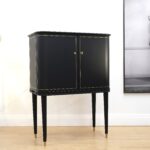
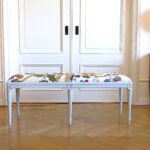

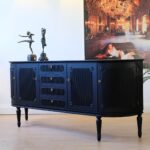
Behind every redesigned piece of furniture lies a carefully considered process in which craftsmanship, design and function come together. The result should not only look good: the piece has to work in everyday life and last over time.
At Plan B Design, the work always begins with the potential of the piece. An older, high-quality piece of furniture is analysed and developed step by step until it takes on a new, modern look without losing its original character.
First, understand the term: What is a redesigned piece of furniture? Or read the main guide: Redesigned furniture: when classic design meets modern form.
1. Selection and Analysis
The process begins by establishing the quality and possibilities of the piece. Construction, proportions and material determine whether a piece of furniture is suitable for a redesign.
Typical candidates include: Sideboards, chests of drawers, cabinets and armchairs.
2. Design Idea and Direction
Once the potential is clear, a design idea takes shape. This is where the colour scheme and overall look are decided, along with how the piece is to work in a modern setting.
In many cases it is a question of balance: letting classic lines meet a more contemporary design language.
3. Construction and Preparation
Before the surface treatment begins, we make sure the piece is stable and functional. Drawers are adjusted, carcases reinforced and earlier signs of wear put right.
This step is essential if the end result is to look professional and to last over time.
4. Surface and Colour
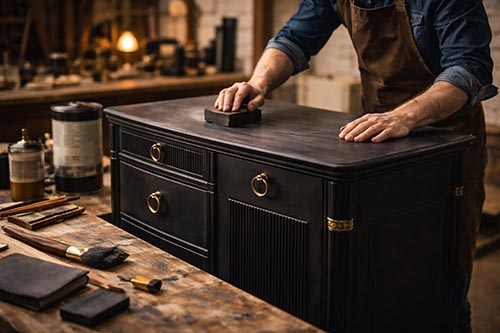
The surface usually changes the look of a piece of furniture more than anything else. Careful preparation is combined with the application of paint or lacquer in several layers to achieve the right finish.
This is often where the modern feel emerges that makes a classic piece look contemporary.
5. Detailing
Fittings, contrasts, lines and small adjustments of proportion give the piece its final identity. It is the details that make a piece look designed rather than merely restored.
You will find examples here: Art Deco sideboard, Modernised chest of drawers and Designer armchair.
6. Finish and Final Inspection
Finally, function, feel and overall impression are checked. Drawers must run properly, surfaces must hold a high-quality finish, and the piece should work as well in use as it looks.
Why the Process Matters
The difference between an amateur restoration and a professionally redesigned piece of furniture almost always lies in the process. A structured way of working ensures that the result stands up both aesthetically and technically.
To understand the difference in more detail: The difference between furniture restoration and redesign.
Frequently Asked Questions About the Process
How long does it take to redesign a piece of furniture?
The time depends on the condition of the piece and the extent of the redesign; the process involves several steps that call for care and drying time.
Can every piece of furniture be redesigned?
No. The basic quality of the piece determines the possibilities. A sturdy construction and good material are decisive.
Can I submit a piece of my own?
Yes, Plan B Design also takes on commissions from customers. Find out more under Restorations.
View current pieces: All pieces.