

Display Cabinet: A Guide to Types, Styles, Dimensions and Buying

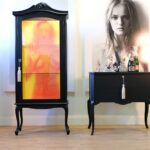
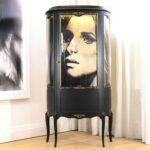
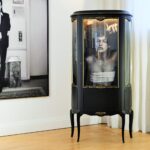
A display cabinet is the stage of a room. It shows what you are proud of: glasses, porcelain, books, a collection. It hides nothing, which is both its strength and its demand. A display cabinet of the wrong height, in the wrong colour or filled the wrong way quickly becomes an untidy shelf behind glass. Chosen well, it becomes the piece your guests walk over to. This guide explains what matters: types, dimensions, styles, woods and colours, lighting, and how to recognise an old display cabinet that will last another hundred years. At Plan B Design we restore and redesign display cabinets from the 1920s to the 1950s, often giving them a new interior of fabric, wallpaper or photographic art. It is the change that makes the greatest difference.
The types: tall, low, narrow, small and wall-hung
The classic display cabinet is 150 to 200 cm tall, with glazed doors above and a closed base cupboard or drawer below. It is the most common form and offers the most display area per square metre of floor. The low display cabinet, in other words the chest of drawers with glazed doors, is 80 to 110 cm tall and looks like a sideboard; you can read more in Display chest of drawers: the low display cabinet. The narrow display cabinet, 50 to 70 cm wide, solves the wall between two doors, see Narrow display cabinet. The small display cabinet stands as well on a chest of drawers as on the floor, and the wall-hung display cabinet is a wall cabinet with a glazed door; you will find both under Wall-hung and small display cabinets. The corner display cabinet is a special case: an 18th-century form that makes use of a dead corner.
The dimensions: how to measure before you buy
Three measurements decide. The height: a display cabinet should not touch the ceiling. Leave at least 20 cm of air so that it can stand freely and be put in place. With a ceiling height of 2.50 m, around 2.25 m including the top section is therefore the maximum. The depth: old display cabinets are usually 35 to 45 cm deep, shallower than modern bookcases, and therefore also fit in hallways and narrow rooms. Check that the doors can open fully without hitting a sofa or table. The width: measure the wall and subtract 5 cm on each side. Usual widths for old cabinets are 60, 70, 80, 90 and 100 cm. The glass shelves are often 25 to 35 cm apart, which is enough for a wine glass but not for a tall vase. With cabinets that have adjustable shelves the spacing can be changed; with fixed ones it cannot.
Styles and periods
Gustavian display cabinets from the period around 1780 to 1810 are straight in form, with glazing-bar doors and fluted mouldings, finished in grey or white. Originals are rare and expensive. Most of what is sold as Gustavian consists of 20th-century reproductions, and this is exactly what we most like to work with; one example is the green Gustavian display cabinet with a Josef Frank motif. You can read more about the style under Scandinavian country style. Louis XVI is the French model: the same straight form, but with richer carved detail, often curved glass and brass beading. Most of our display cabinets are of this type and were built in Sweden between 1920 and 1940, such as the matt black Louis XVI display cabinet and the display cabinet with brass details. Rococo has curved legs and an undulating front and looks dramatic in black lacquer, like the black Rococo display cabinet with matching chest of drawers. Swedish Grace and the cabinets of the 1940s are more austere, in birch or mahogany with smooth glazed doors without glazing bars, see What is Swedish Grace?. Which period suits which home, and what an antique display cabinet costs, is explained in Antique display cabinet.
Wood or lacquered
A wooden display cabinet with visible veneer in birch, mahogany, oak or walnut brings warmth and suits rooms with other wooden furniture. We describe the woods and their periods in Wooden display cabinet. The lacquered display cabinet is the Gustavian tradition and our most frequent treatment: black lacquer is the most sought after, and why black works so well behind glass you can read under Black display cabinet. We cover white, green, grey and beige in the colour overview for the white display cabinet.
The interior changes the most
A display cabinet shows its back panel through the glass, constantly. The inside therefore matters more than the outside. A worn veneer back makes everything you put in front of it look restless. A back of fabric, wallpaper or photographic art makes the same objects look curated. We cover the back panel to the customer’s wishes: with a patterned fabric, a wallpaper, a photograph or in the same black lacquer as the exterior. Examples are the Louis XVI display cabinet with interior motif and the green display cabinet with a Josef Frank motif. The next step is light, which turns a shelf into a piece of furniture in the evening, see Display cabinet with lighting. How to fill the cabinet afterwards so that it looks like an exhibition and not a storeroom is explained in Styling a display cabinet.
Old display cabinet or new: comparing prices
A new display cabinet at €250 to €800 is usually made of coated chipboard with toughened glass in an aluminium frame. It looks good in the photograph, but after a year the doors sit loose, and there is hardly any resale value. An old display cabinet from the 1920s to the 1950s is made of solid wood and veneer, built by a cabinetmaker, with ground and often faceted glass. Unrestored, it costs around €150 to €600 on the antiques market or at auction, but expect loose beading, tired polish and a back panel that needs replacing. Restored and redesigned by us, with a new finish, a new interior and adjusted doors, it usually costs €1,200 to €2,300. You will find all current pieces in the Display cabinets category, and why restoring is often the better choice is explained in Why restore instead of buying new.
On terms: we offer free delivery within Germany. You send us an enquiry without obligation about the piece you like, and you pay only when everything has been settled. If you are really looking for a drinks cabinet with glass and lighting for bottles, you will find the borderline cases under Drinks cabinet or display cabinet.
How to choose the right display cabinet for your home
Start with the space and not with the piece: measure the wall, the ceiling height and the door swing, and then decide whether a tall, low, narrow or small display cabinet solves the problem. Next comes the question of what is to be shown. A collection of small objects needs closer shelves and light, glasses and porcelain tolerate larger gaps, books need depth. Colour and wood come last, and here the rule is: the cabinet should either stand out in the room deliberately or disappear deliberately, never halfway. If you are rethinking your living space, you will find more inspiration in Furnishing with statement pieces, and if you are unsure about style, read Swedish or Danish furniture. A display cabinet is not a purchase for a few years: chosen well, it will accompany you through several homes and phases of decorating, and that is exactly why the effort of choosing is worthwhile.
Frequently asked questions about display cabinets
How tall is a normal display cabinet?
150 to 200 cm. Low display cabinets and chests of drawers with glazed doors are 80 to 110 cm tall.
How deep should a display cabinet be?
35 to 45 cm is enough for glasses, porcelain and books. Old display cabinets are rarely deeper, which is why they fit where modern shelves do not.
Can you put a display cabinet in the kitchen?
Yes, that is its original use: serving crockery behind glass. A low or narrow model is best suited, and you can read more in Styling a display cabinet.