
What Is Swedish Grace? A Guide to Swedish Design of the 1920s

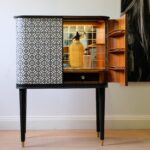

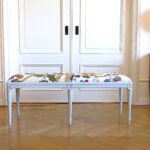

Swedish Grace is a Swedish design style from the 1920s, characterised by a unique combination of classic elegance and early modernism. The style arose in a period when architecture and design began to move away from heavy decoration towards a more balanced and harmonious expression.
The term Swedish Grace was coined in retrospect to describe precisely this transition, where furniture and interiors still bear traces of classicism but are at the same time simplified and refined.
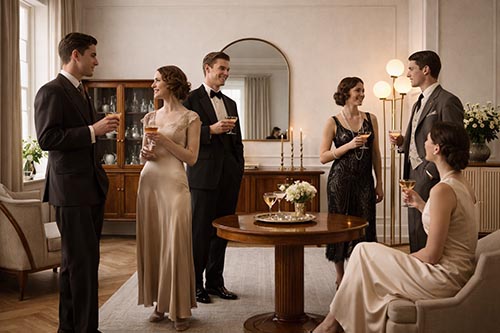
A Design Style Between Two Eras
Swedish Grace sits on the borderland between tradition and modernity. Unlike older styles, the expression is more restrained, but it does not lack a feeling for detail or material.
It is precisely this balance that makes the style so interesting. It is neither heavily decorated nor entirely stripped back, but is built on proportion, symmetry and craftsmanship.
If you would like a more general introduction to the style, see: Swedish Grace: Swedish design between classicism and modernism.
Characteristics of Swedish Grace
- Elegant and balanced proportions
- Symmetrical design
- High-quality materials such as wood and stone
- Discreet decorative touches
- A focus on the whole rather than individual details
The style is often characterised by a sense of calm and precision rather than strong contrasts or expressive design.
Why Is It Called Swedish Grace?
The name Swedish Grace was introduced internationally to describe the elegance of Swedish design during the 1920s. It refers to the lightness and harmony that characterise furniture and architecture from the period.
Unlike more decorative styles, this is about subtlety, where every line and proportion is carefully considered.
Swedish Grace Today
Although the style originated over a hundred years ago, it is still relevant in modern interiors. Many people appreciate how furniture in this style can create a calm and balanced feeling in the home.
Today, influences from Swedish Grace are often seen in furniture that combines classic proportions with modern materials and colours. This applies particularly to the redesign of older furniture, where original constructions are given new life.
Read more about how older furniture can be refined here: redesigned furniture.
How It Differs From Other Design Styles
Swedish Grace is sometimes compared with Art Deco, but differs in its more restrained expression. Where Art Deco often works with contrasts and graphic forms, Swedish Grace is more focused on balance and proportion.
If you would like to see a comparison of the styles, you can read: Swedish Grace vs Art Deco.
At its core, Swedish Grace is a style built on quality, craftsmanship and timeless design, which is why it continues to inspire today.
The Designers Behind Swedish Grace
The style had no manifestos, but all the more names. Carl Malmsten stood for the craft-based, folk-classical line and won the 1916 competition for the furniture of Stockholm City Hall. Axel Einar Hjorth, chief designer at Nordiska Kompaniet from 1927, designed the most elegant chests of drawers and cabinets of the style, mostly in birch with marquetry. Gunnar Asplund built Stockholm Public Library together with its furniture, one of the high points. Uno Åhrén and Carl Hörvik were responsible for the pavilion in Paris in 1925. In glass, Simon Gate and Edward Hald helped Orrefors achieve its breakthrough, and Wilhelm Kåge created the Argenta ceramics for Gustavsberg. That is why Swedish Grace is today associated as much with glass and ceramics as with furniture. The furniture is described in the article Swedish Grace furniture: design language and proportions.
Swedish Grace in Architecture
The furniture belongs with the buildings. The classicism of the 1920s, as architectural history calls it, gave Stockholm its Public Library, the Concert Hall and the chapels of the Woodland Cemetery, and gave the whole country rendered apartment blocks in ochre and green with calm rows of windows and a single ornament above the doorway. A Swedish Grace chest of drawers is at home in these buildings, but it looks just as good in a Berlin period flat or a new-build, because it follows the same proportions as the rooms themselves. How the style is used today is shown in the article Swedish Grace in modern interiors.
Frequently Asked Questions
When did Swedish Grace end?
With the Stockholm Exhibition of 1930, at which functionalism broke through. Many joineries continued to produce in the style for a few more years, so that furniture from 1930 to 1935 is often a mixed form.
Is Swedish Grace the same as Nordic Classicism?
Essentially yes. Nordic Classicism is the term in architectural history for the whole of Scandinavia, while Swedish Grace is the name given by the British press to the Swedish variant, with an emphasis on the decorative arts.
Where can you find Swedish Grace today?
At auction houses such as Bukowskis for signed pieces, and with us as restored anonymous furniture. See All pieces and the guide Scandinavian vintage furniture.