
Swedish Grace: Swedish Design Between Classicism and Modernism

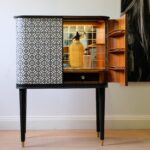
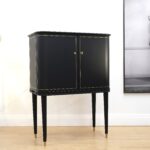
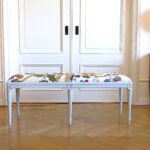

Swedish Grace is one of the most distinctive periods in Swedish design history. The style emerged during the 1920s and is characterised by a unique balance between classicism and modernism, where elegant proportions meet a more pared-down and functional design language.
The name Swedish Grace was coined in retrospect, but it describes well the feeling that pervades the period. It is about furniture and objects that feel light, harmonious and thoroughly considered, often with subtle details rather than obvious decoration.

What Is Swedish Grace?
Swedish Grace is a Swedish interpretation of the classicist style that was widespread in Europe in the early 20th century. At the same time, the style marks a transition towards functionalism, where form begins to be simplified and the focus shifts to use and the whole. If you would like a more in-depth account, see our guide: what is Swedish Grace.
Characteristics of Swedish Grace
- Restrained but elegant proportions
- Symmetry and clear balance in the design
- High-quality materials such as wood, veneer and stone
- Discreet details rather than heavy ornamentation
- A transition from classic style to modern design
If you would like to delve deeper into materials and details, you can read: materials and details in Swedish Grace.
Swedish Grace Furniture
Furniture from the Swedish Grace period is often characterised by its precision and craftsmanship. Cabinets, sideboards, tables and chairs are designed with great care for proportions and choice of materials, which means they still feel relevant in today’s interiors.
Read more about how this style takes shape in different pieces of furniture: Swedish Grace furniture and design language.
Much of the furniture inspired by Swedish Grace today is based on older constructions that have been given new life through redesign. Read more about how such redesigned furniture can combine classic craftsmanship with a modern expression.
Swedish Grace in Modern Interiors
One of the reasons Swedish Grace remains relevant is that the style works well in modern homes. The clean lines mean the furniture can be combined with contemporary furnishings, while the materials and proportions add depth and character.
For inspiration on how the style is used today, see: Swedish Grace in modern interiors.
Swedish Grace and Other Design Styles
Swedish Grace occupies an interesting position between older classicism and later modernism. It differs from more decorative styles in its restraint, but is at the same time more expressive than strictly functionalist design.
In some cases there are also similarities with, for example, Art Deco, where the focus is on proportions and materials, but where the expression is often more graphic and driven by contrast.
Read more about the differences here: Swedish Grace vs Art Deco.
You can also see how this expression takes shape in pieces such as: Art Deco drinks cabinet.
A Timeless Design Philosophy
What makes Swedish Grace particularly relevant today is that the style is built on principles rather than trends. Well-considered proportions, high-quality materials and clear craftsmanship mean the furniture ages well and continues to work over time.
That is also why the style so often returns in modern design, not as a copy but as an inspiration for how furniture can be both functional and aesthetically lasting.
Timeline: From Gustavian to Swedish Modern
- 1770–1810 Gustavian. Swedish classicism in painted wood. The model. More in the article Scandinavian country style.
- 1880–1910 Neo-Rococo and Art Nouveau. The factories copy older styles; Art Nouveau brings soft, organic forms.
- 1917 Home Exhibition in Stockholm. The Swedish Werkbund shows better everyday goods. The starting signal.
- 1920–1930 Swedish Grace. Classicism returns in veneer and marquetry. Paris 1925 gives it its name.
- 1930 Stockholm Exhibition. Functionalism breaks through. Swedish Grace goes out of fashion.
- 1935–1955 Swedish Modern. Functionalism turns soft, in wood and fabric. The root of “Scandinavian design”.
- 1955–1970 Mid-century. Teak, splayed legs, international style. More in the article Mid-century furniture.
Why Swedish Grace Remained Unknown in Germany
Sweden hardly exported any furniture in the 1920s, and the pieces that did reach Germany came through a few exhibitions. By the time the Scandinavian furniture boom began in the 1950s, Swedish Grace was long over, and Danish teak took over the term. That is why German buyers know Wegner and Juhl, but not Hjorth and Malmsten. For you as a buyer this is an advantage: Swedish Grace furniture is undervalued on the German market, although in craftsmanship it matches the best Danish design. The whole context is explained in the article Swedish or Danish furniture?, and the overview of the styles in the guide Scandinavian vintage furniture.